Herbal Infusions: Simple, Deep Nourishment from the Earth
Lately, I’ve been returning to one of the most simple yet powerful herbal practices: long-steeped herbal infusions. These humble brews are profoundly nourishing and an easy, accessible way to hydrate the body deeply while delivering minerals, vitamins, and phytochemicals straight from plants.
Unlike quick herbal teas, infusions are slow medicine. They extract the mineral richness of certain plants and offer the body something it can absorb gradually and effectively. When sipped throughout the day, herbal infusions enhance hydration at a cellular level, supporting the body’s natural rhythms rather than stimulating or forcing change.
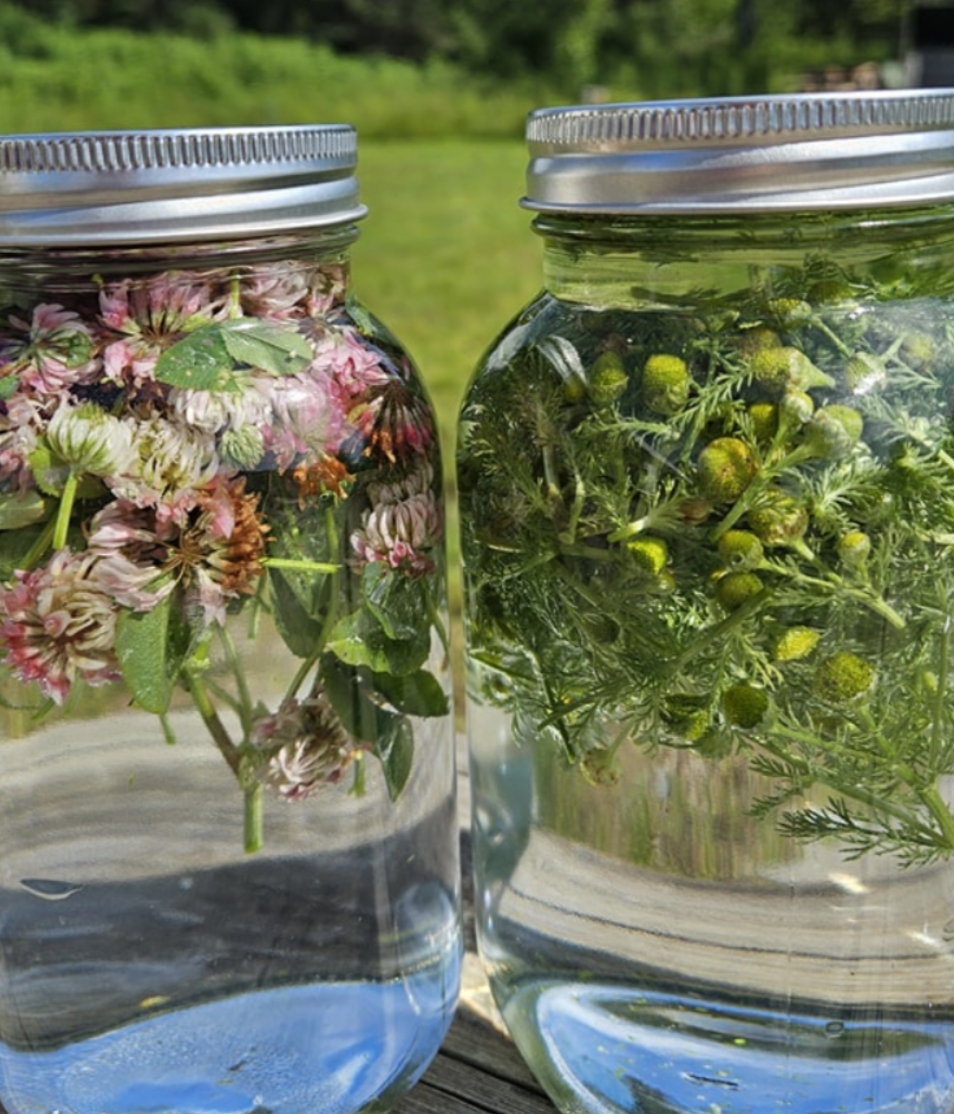
Why Herbal Infusions Support Deep Hydration
Water alone does not always hydrate as well as we hope. For hydration to truly reach the cells, it needs to be accompanied by electrolytes, minerals and supportive plant compounds. Herbal infusions naturally provide this.
I often dilute a small amount of infusion into my daily drinking water, creating a gentle, steady stream of nourishment. This approach works beautifully in both warmer and cooler months and suits those who prefer subtle, consistent support rather than strong interventions.
It is one of those practices that seems almost too simple - yet over time, its effects quietly accumulate.
How to Prepare a Herbal Infusion
To prepare a traditional herbal infusion, you will need a large glass jar (around 2 litres), dried herbs, and freshly boiled water.
Begin by placing one cup of dried herb into the jar. Pour boiling water over the herbs until the jar is full, then cover and allow the infusion to steep for four to ten hours, or overnight. This long, slow extraction is what allows minerals and nutritive compounds to fully release.
Once steeped, strain the liquid and store it in the fridge.
You can enjoy two to four cups per day, or add a splash to your water bottle and sip slowly throughout the day for gentle, ongoing hydration and mineral support.
Any leftover infusion doesn’t need to go to waste, your houseplants will happily receive the remaining nourishment too!
Choosing the Right Herbs Matters
Not all herbs are suited to long, strong infusions. Some plants become too intense or irritating when steeped for extended periods. Herbal infusions are best made with gentle, nutritive herbs - those that nourish, rebuild and restore rather than stimulate.
These herbs tend to be rich in minerals and supportive compounds that the body can assimilate over time.
Nutritive Herbs for Infusions
Herbs such as nettle leaf, oat straw, red clover and linden flower are ideal for this method. Nettle is deeply nourishing and supportive for energy, skin, hair and adrenal health. Oat straw offers calm and restoration to the nervous system. Red clover gently supports hormonal balance and skin clarity, while linden flower brings hydration and heart-soothing softness.
These plants are best steeped slowly, allowing their full nutritional profile to emerge.
Aromatic and Stimulating Herbs as Teas
More aromatic herbs, such as mint, lemon balm, chamomile, rose, or hibiscus, are better enjoyed as lighter teas rather than long infusions. Their volatile oils are delicate and can dissipate or become overwhelming with prolonged steeping. Shorter brewing times preserve their beauty and therapeutic effect.
Let the Body Lead
A simple place to begin is with one herb at a time. Choose a single plant and work with it for a week. Notice how your body responds - your energy, digestion, skin, mood and sense of nourishment.
Herbal infusions are not quick fixes. They are slow, cumulative medicine. Over time, they rebuild vitality, replenish mineral stores, and support balance at a foundational level.
In a world that often asks the body to do more with less, this practice is an invitation to soften, slow down, and receive.
If you are unsure which herbs are most supportive for you, or if you would like guidance tailored to your constitution and health picture, this is something I explore deeply in my naturopathic consultations.
Sometimes the most profound medicine is also the most simple.